
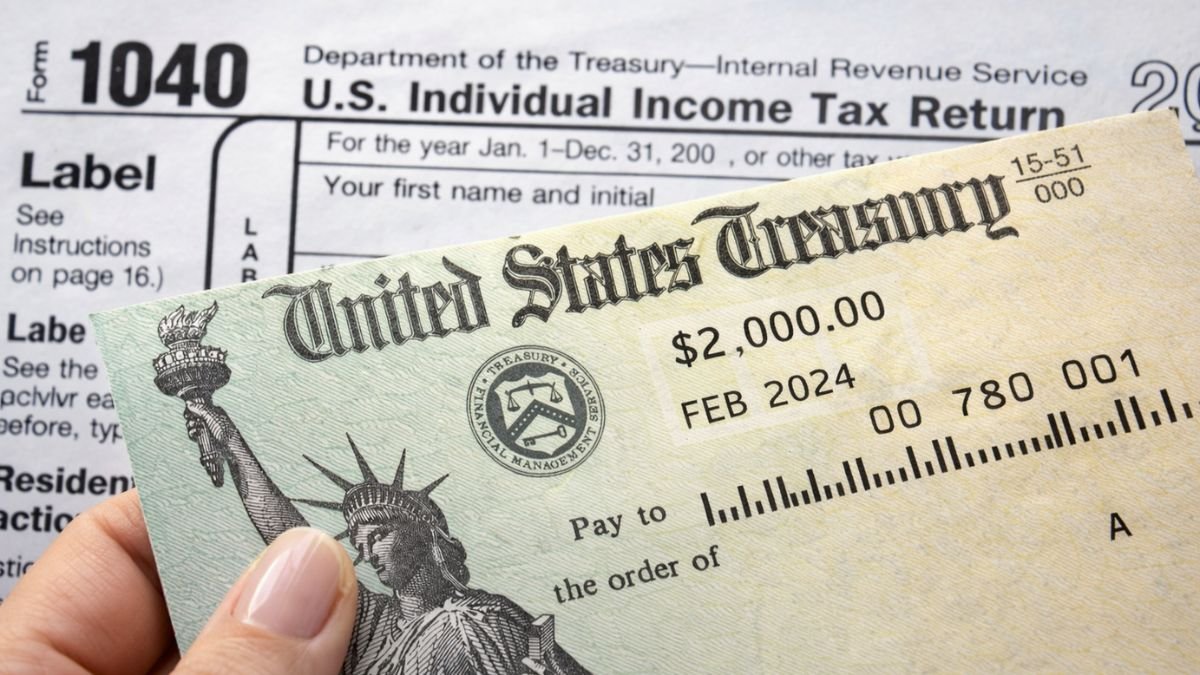
Picture millions of Americans refreshing their bank apps in February 2026, hoping to see an unexpected $2000 federal direct deposit land as promised relief money. The rumor has spread like wildfire across social media, WhatsApp groups, and clickbait headlines, claiming the federal government has officially approved automatic $2000 payments to begin this month. While the idea of extra cash is incredibly appealing, the current reality is very different. As of February 17, 2026, the IRS, Treasury Department, and official government channels have issued no confirmation of any new nationwide $2000 federal direct deposit program for February 2026. No new law, executive order, or agency announcement exists to support these widespread claims.
The Current Official Status
No legislation creating a new $2000 direct deposit program has passed Congress. No funding has been allocated for such payments. No Treasury or IRS guidance has been published regarding eligibility, distribution, or a February start date. The last major federal stimulus payments ended in 2021, and the final Recovery Rebate Credit claims expired in April 2025. Official IRS news releases and Treasury updates from early 2026 contain zero mention of any new $2000 federal direct deposit or relief initiative.
Where the February 2026 Rumor Comes From
The specific February 2026 date gained traction because it aligns with early tax refund processing windows. Many regular tax refunds naturally reach $2000 or more due to withholdings and credits. Early filers often receive refunds in mid-to-late February, creating the illusion of a “new payment program” starting then. Trump’s repeated mentions of a potential $2000 tariff dividend (from import tax revenue) also fuel confusion, even though no bill has passed and no timeline has been finalized.
What Real February 2026 Deposits Actually Are
No automatic $2000 relief exists, but many people will still receive deposits near or above that amount through normal channels:
- Tax refunds — Average around $2,290 early in 2026 (many higher with credits)
- Monthly federal benefits — Social Security, SSI, SSDI, VA payments on regular schedules
- State-specific rebates — Vary by state and are not federal
These are routine payments, not a new federal program.
Official Timeline for Real Payments in February 2026
No universal $2000 payment date exists. Real federal payment timelines:
- Tax refunds — Usually within 21 days of e-file acceptance (mid-February for early January filers)
- EITC / ACTC refunds — Hold lifts February 16; most arrive early March
- Social Security / SSI — Monthly on fixed dates (second, third, fourth Wednesday)
- VA benefits — Standard monthly schedule
Direct deposit remains fastest; paper checks are mostly phased out.
FAQs – $2000 Federal Direct Deposit February 2026
- Has the federal government confirmed $2000 direct deposits for February 2026? No — no new program, law, or official announcement exists.
- What is the status of the $2000 tariff dividend proposal? Still only a proposal — no legislation passed, no funding, no confirmed payments.
- Why do some people think $2000 payments are coming in February? Early tax refunds (averaging $2,000+) arrive in February, often mistaken for new relief.
- What real large payments are people receiving in February? Routine tax refunds, monthly Social Security/SSI/VA benefits, and state rebates.
- How do I know if I’m getting a real federal payment? Only through official IRS.gov, SSA.gov, or VA.gov channels — never trust unsolicited messages.
Conclusion
As of February 17, 2026, no $2000 federal direct deposit program has been approved or started in February. The most reliable large deposits people are receiving are standard tax refunds and monthly benefits — not a new stimulus or relief initiative. Stick to official government websites (IRS.gov, SSA.gov, Treasury.gov) for accurate information. File your taxes early, choose direct deposit, and track legitimate refunds through verified tools. Avoid scams promising guaranteed $2000 — real federal money never arrives through random texts, calls, or suspicious links.