
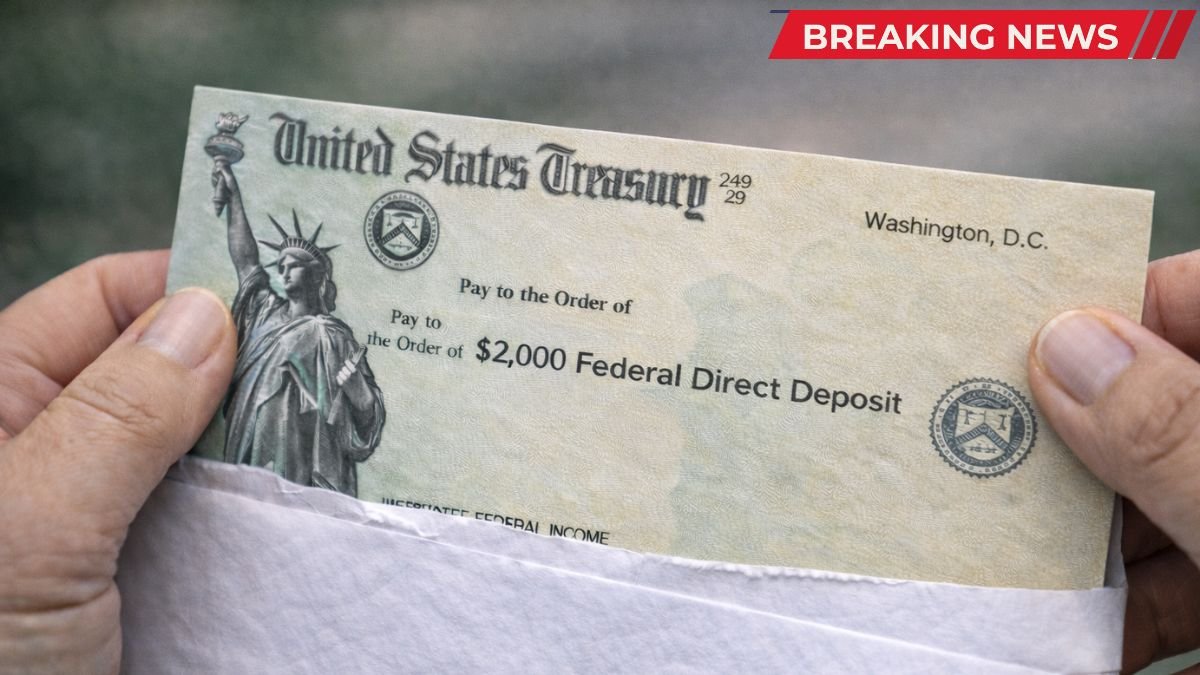
The idea of $2000 federal direct deposit February 2026 has generated significant excitement, with many expecting automatic payments to arrive early in the year. Social media posts, online forums, and articles frequently describe a nationwide program sending $2000 to eligible Americans, complete with a detailed payment schedule and clear eligibility criteria. While additional financial support would benefit millions facing ongoing cost pressures, it is essential to separate verified information from speculation. As of February 17, 2026, no official federal program has been approved, funded, or launched to send $2000 direct deposits to the general public in February 2026. No new legislation has passed Congress, no Treasury disbursement schedule has been published, and no IRS or White House announcement confirms automatic $2000 payments beginning this month. This article explains the current status, why the February 2026 date keeps appearing, who might actually receive deposits near that amount, typical timelines for legitimate federal payments, and the eligibility rules that apply to real programs.
Has the $2000 Federal Direct Deposit Been Officially Approved for February 2026?
No broad $2000 federal direct deposit program has been officially approved or scheduled for February 2026. The federal government has not enacted any new law, issued any executive order, or released any agency guidance creating automatic payments of this size to all or most citizens in February. Large-scale direct deposit initiatives require congressional authorization, signed legislation, funding allocation, and detailed distribution rules. None of these steps have occurred for a $2000 payment in February 2026. Official IRS news releases, Treasury updates, and federal registers contain no reference to such a program. Without formal action, no confirmed $2000 federal direct deposit rollout exists for February or any other date in early 2026.
Why February 2026 Keeps Being Mentioned for $2000 Payments
The February 2026 timeframe often surfaces because it aligns with early tax refund processing windows for some filers. When individuals e-file returns in late January or early February, refunds can begin arriving mid-February, and many naturally fall in the $2000 range or higher due to withholdings and credits. This routine IRS activity is sometimes misinterpreted as a new government payout starting in February. Past economic relief programs also used similar amounts and phased rollouts, keeping the pattern in public memory. Ongoing political discussions about tariff revenue sharing have further fueled speculation, even though no law has converted those proposals into actual payments with a February start date.
Who Actually Qualifies for Deposits Near $2000
There is no universal eligibility for a new $2000 federal direct deposit in February 2026. Legitimate deposits around that amount come from standard federal sources:
- Tax refunds based on your withholding, deductions, credits, and adjustments
- Refundable credits (earned income credit, child tax credit, or other qualifying amounts)
- Routine monthly federal benefits (Social Security retirement, disability, SSI, VA compensation)
These are determined individually through tax filing or existing benefit enrollment—not through a blanket approval for all citizens. Tax refunds require submitting a return; benefits follow established monthly schedules and eligibility rules based on prior approval.
Typical Payment Schedule for Real Federal Deposits
No single $2000 federal direct deposit date applies in February 2026. Actual timelines vary by source:
- Tax refunds: Usually issued within 21 days of e-file acceptance for direct deposit (mid-February for early January filers; refunds involving certain refundable credits often arrive in early March after mid-February verification)
- Monthly benefits (Social Security, SSI, VA): Arrive on predictable dates based on birth date, enrollment, or payment cycle
- Any potential future tariff-related proposal: No confirmed schedule, start date, or beneficiary rules exist
Direct deposit is the fastest and most secure method; paper checks are restricted and take significantly longer.
Eligibility Rules and Required Checks for Real Payments
Before believing any payment claim, perform these essential checks:
- Access official IRS.gov or Treasury.gov directly—never click links from emails, texts, social media, or unknown sources
- Log into your secure IRS Online Account to view filing status, refund history, and any official notices
- Use the legitimate Where’s My Refund? tool on IRS.gov after your return is accepted
- Never provide SSN, banking details, or other personal information to unsolicited contacts promising $2000 deposits
- Report suspicious messages to phishing@irs.gov or the Federal Trade Commission
These steps help protect against scams and ensure you only follow verified eligibility rules from official sources.
Final Summary
As of February 17, 2026, no $2000 federal direct deposit has been approved or scheduled for February 2026. Deposits near that amount are most commonly standard tax refunds or ongoing federal benefits—not a new nationwide program. Filing your return accurately, selecting direct deposit, and monitoring official IRS channels remain the most reliable ways to receive legitimate funds without unnecessary delays. Stay cautious of unverified claims and rely on trusted government sources for accurate updates.
Disclaimer: This article is for general informational purposes only and does not provide tax, legal, or financial advice. Payment eligibility, amounts, and timelines depend on individual circumstances and official federal guidance. For personalized information, visit the official IRS website or consult a qualified tax professional.