
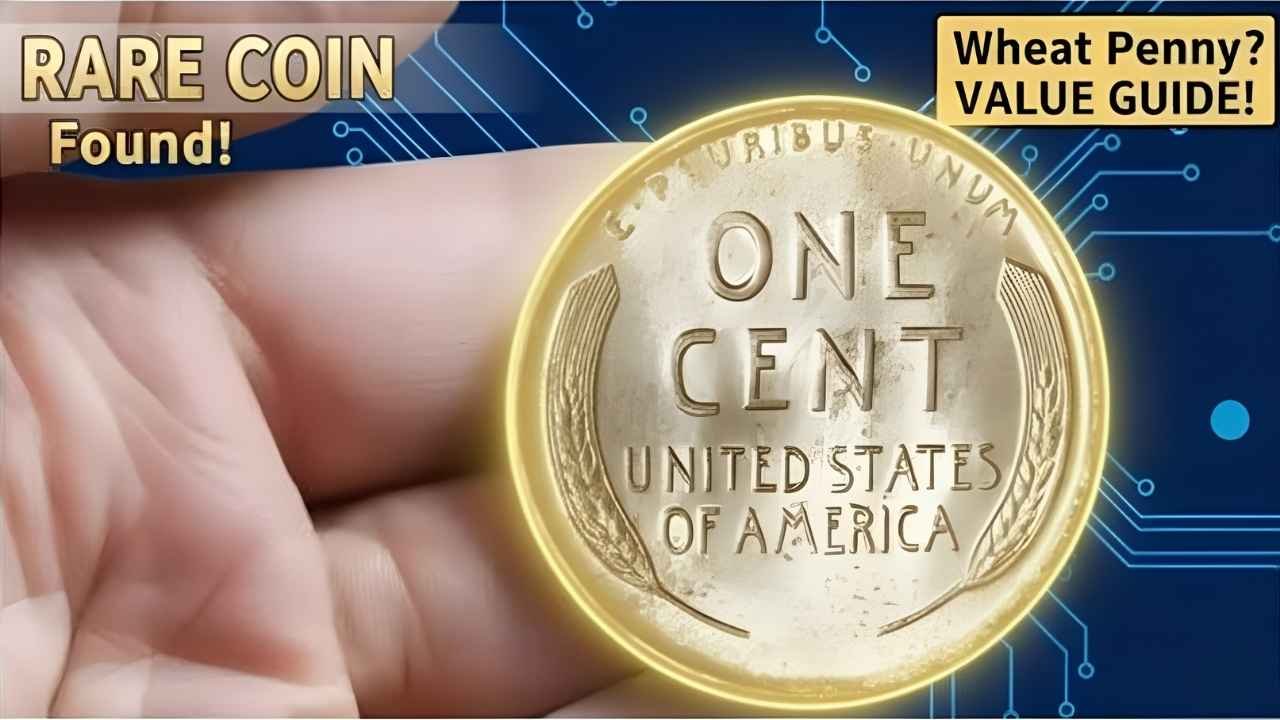
The Lincoln Wheat Penny (1909–1958) is one of the most popular and widely collected U.S. coin series ever produced. With over 50 years of minting across Philadelphia, Denver, and San Francisco, the series includes common dates worth pennies and extreme rarities that sell for tens or hundreds of thousands. In 2026, collector demand remains very strong, driven by registry sets, online auctions, and interest in early 20th-century copper coins. This complete wheat penny price chart 1909–1958 shows key dates, varieties, and approximate values across grades, helping both beginners and advanced collectors understand what their coins may be worth today.
Why Wheat Penny Prices Vary So Much
Most Wheat Pennies were minted in huge quantities (hundreds of millions per year), so common circulated examples are worth little more than face value. Prices explode for:
- Key dates with low mintage (1909-S VDB, 1914-D, 1922 No D)
- High-grade examples (MS-65+ Red)
- Major errors (doubled dies, off-metal strikes)
- Full original red color (RD) vs. red-brown (RB) or brown (BN)
Professional grading by PCGS or NGC is essential for valuable coins—raw coins often sell for far less.
Wheat Penny Price Chart 1909–1958 (2026 Values)
Values are approximate for PCGS/NGC graded coins (early 2026 auction trends). Common dates not listed are typically $0.10–$1 circulated, $2–$10 uncirculated.
| Year & Mint / Variety | Grade / Color | Typical Value Range (2026) | Record High Sale |
|---|---|---|---|
| 1909-S VDB | MS-65+ Red | $3,000 – $15,000+ | $100,000+ |
| 1909-S | MS-65+ Red | $1,000 – $5,000+ | $10,000+ |
| 1914-D | MS-65+ Red | $2,000 – $10,000+ | $20,000+ |
| 1922 No D (Plain) | MS-65+ Brown | $5,000 – $25,000+ | $50,000+ |
| 1931-S | MS-65+ Red | $500 – $2,000+ | $5,000+ |
| 1943 Bronze (off-metal error) | MS-65+ Red | $200,000 – $1,000,000+ | $1,700,000+ |
| 1944 Steel (off-metal error) | MS-65 | $50,000 – $200,000+ | $300,000+ |
| 1955 Doubled Die Obverse | MS-65+ Red | $1,000 – $5,000+ | $10,000+ |
| 1958 Doubled Die Obverse | MS-65+ Red | $5,000 – $25,000+ | $50,000+ |
| 1943-S Bronze | MS-65+ Red | $300,000 – $1,000,000+ | $1,000,000+ |
Common dates (1934–1958) in circulated condition: $0.10–$1; uncirculated: $0.50–$5.
How Wheat Pennies Reach High Values
Coins reach thousands or more through:
- Low mintage & survival — Key dates like 1909-S VDB (484,000 minted) and 1914-D (1,193,000) have few gem survivors.
- Full Red color — RD designation adds massive premium over RB or BN.
- Major errors — 1943 Bronze (copper instead of steel) and 1955 Doubled Die are iconic.
- High-grade certification — MS-65+ or higher slabs from PCGS/NGC
- Collector demand — Registry sets and auction competition push prices higher
Current Market Trends in 2026
Wheat Pennies remain very popular in 2026. Online auctions (Heritage, GreatCollections) regularly feature five- and six-figure sales for keys and errors. Registry set competition drives high-grade red examples higher, while circulated coins with eye appeal trade in the $1–$50 range. Demand is strong for certified coins with sharp strikes and original color.
How to Identify and Value Your Wheat Pennies
- Check the date and mint mark (S or D below the date).
- Look for full original red color vs. red-brown or brown.
- Examine strike quality—sharp Lincoln hair and wheat lines add value.
- Search for doubled dies (1955, 1941, 1917) or repunched mint marks.
- Submit high-grade or questionable coins to PCGS or NGC for grading.
- Use auction archives (Heritage, GreatCollections) for recent comparable sales.
FAQs – Wheat Penny Value Guide 2026
- What is the most valuable Wheat Penny? The 1943 Bronze Lincoln cent (wrong planchet error) leads at $200,000–$1,700,000+ in high grade.
- How much are common Wheat Pennies worth? Circulated common dates (1934–1958) are worth $0.10–$1; uncirculated examples are $0.50–$5.
- Why are some Wheat Pennies worth thousands? Low mintage (key dates), gem condition (MS-65+ Red), and major errors drive high prices.
- How do I tell if my Wheat Penny is valuable? Check for key dates (1909-S VDB, 1914-D, 1922 No D), full red color, sharp strike, or errors; get it graded.
- Where should I sell a valuable Wheat Penny? Major auction houses (Heritage, GreatCollections) or reputable dealers; always grade high-value coins first.
Conclusion
In 2026, most Wheat Pennies remain affordable pocket change, but the rarest key dates, gem red examples, and major errors prove that early Lincoln cents can be worth thousands or more. From the $1.7 million+ 1943 bronze to five-figure 1909-S VDB and 1916-S gems, the potential is real for careful collectors. Examine your collection or change with a loupe, submit promising pieces for grading, and follow major auctions for the latest trends. The thrill of classic U.S. coin collecting lies in exactly these hidden treasures—happy hunting!