
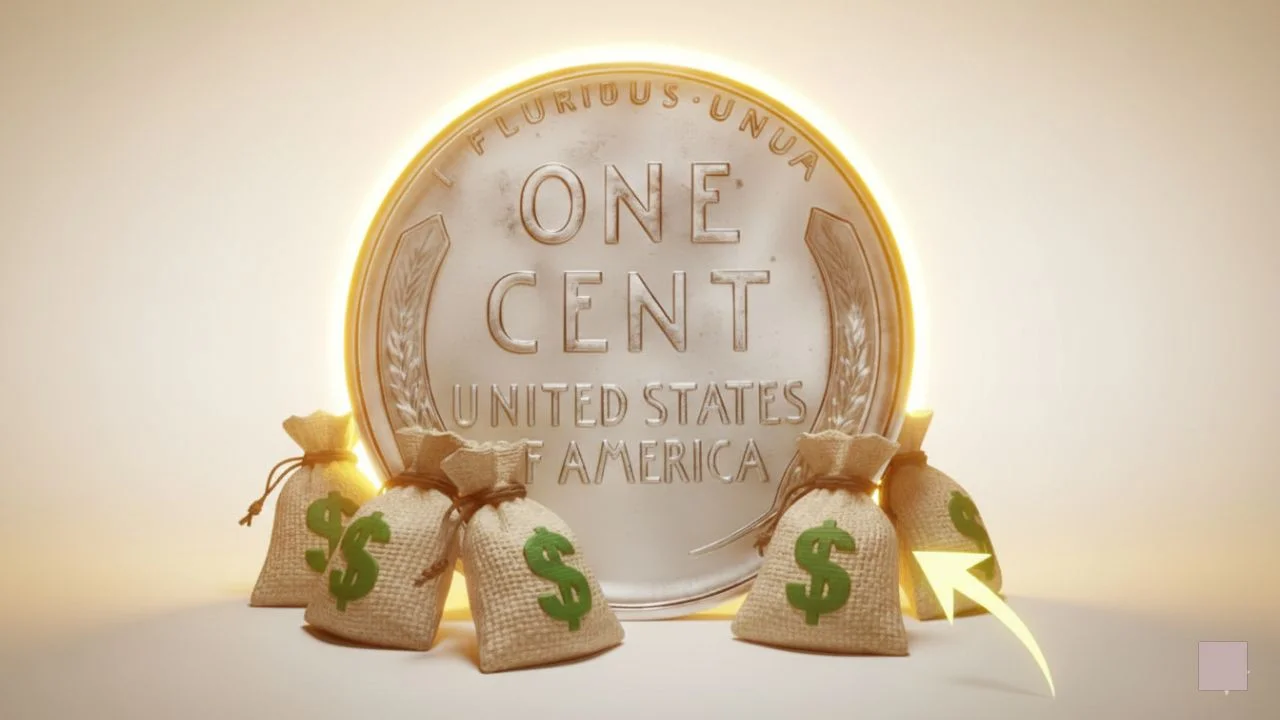
The Lincoln Wheat Penny (1909–1958) has been a cornerstone of U.S. coin collecting for over a century, and the last 10 years (2016–2026) have seen dramatic shifts in values for rare dates, high-grade examples, and major errors. While common circulated Wheat Pennies remain affordable (often $0.10–$1), key dates in gem condition and iconic errors have posted strong gains—some reaching six- and seven-figure prices at auction. In 2026, collector demand remains robust, driven by registry sets, online auctions, and growing interest in early 20th-century copper coins. This guide tracks wheat penny values in the last 10 years, highlights the rare coins that have risen most dramatically, market trends from 2016 to 2026, and valuable collector insights to help you understand today’s market.
Wheat Penny Market Trends 2016–2026
The Wheat Penny market has shown steady appreciation for key dates and high-grade examples over the last decade:
- 2016–2018: Post-recession recovery; key dates like 1909-S VDB and 1914-D began climbing steadily in MS-65+ Red condition.
- 2019–2021: Pandemic-era stimulus increased disposable income for collecting; online auctions exploded, pushing gem red examples and major errors (1943 Bronze, 1955 Doubled Die) to new highs.
- 2022–2024: Inflation and rising metal prices boosted melt value floor (~$0.03–$0.04 per coin), while registry set competition drove MS-66+ Red prices higher.
- 2025–2026: Strong demand continues; 1943 Bronze cents regularly exceed $1 million, and 1909-S VDB gems hit $100,000+; modern error crossovers (e.g., Sacagawea/Washington mules) add excitement.
Overall trend: Common dates stay stable, but rare dates, gem reds, and errors have appreciated 50–300%+ in top grades over the decade.
Top Rare Wheat Pennies & Value Growth (2016 vs 2026)
Here are key rarities and their approximate value progression:
| Coin / Variety | Grade / Color | Approx. Value 2016 | Approx. Value 2026 | % Growth |
|---|---|---|---|---|
| 1909-S VDB | MS-65+ Red | $4,000–$8,000 | $10,000–$100,000+ | 150–1,000% |
| 1914-D | MS-65+ Red | $3,000–$6,000 | $8,000–$20,000+ | 150–300% |
| 1922 No D (Plain) | MS-65+ Brown | $10,000–$20,000 | $25,000–$50,000+ | 150–300% |
| 1931-S | MS-65+ Red | $300–$800 | $800–$2,500+ | 150–300% |
| 1943 Bronze (off-metal error) | MS-65+ Red | $100,000–$300,000 | $200,000–$1,700,000+ | 100–500% |
| 1955 Doubled Die Obverse | MS-65+ Red | $1,000–$2,500 | $2,000–$10,000+ | 100–300% |
| 1943-S Bronze | MS-65+ Red | $200,000–$500,000 | $300,000–$1,000,000+ | 100–300% |
Collector Insights for 2026
- Focus on Red — Full Red (RD) examples continue to outperform RB/BN; collectors pay 2–5× premiums for original luster.
- Key Dates Lead — 1909-S VDB, 1914-D, and 1922 No D remain the “big three” keys; gem reds consistently outperform.
- Errors Dominate Headlines — 1943 Bronze and 1955 Doubled Die set records; off-metal strikes and major doubled dies attract the most attention.
- Registry Sets Drive Demand — PCGS and NGC registry competition keeps pushing high-grade prices higher.
- Market Accessibility — Online auctions make gem coins widely available, increasing participation and liquidity.
How to Identify and Value Your Wheat Pennies
- Check date and mint mark (S or D below the date).
- Look for full original red color vs. red-brown or brown.
- Examine strike quality—sharp Lincoln hair and wheat lines add value.
- Search for doubled dies (1955, 1941, 1917) or repunched mint marks.
- Submit high-grade or questionable coins to PCGS or NGC for grading.
- Use auction archives (Heritage, GreatCollections) for recent comparable sales.
FAQs – Wheat Penny Value in 2026
- What Wheat Penny has increased the most in value over the last 10 years? The 1943 Bronze Lincoln cent—gem examples rose from $100,000–$300,000 in 2016 to $200,000–$1,700,000+ in 2026.
- How much are common Wheat Pennies worth in 2026? Circulated common dates (1934–1958) are worth $0.10–$1; uncirculated examples are $0.50–$5.
- Why are some Wheat Pennies worth thousands? Low mintage (key dates), gem condition (MS-65+ Red), and major errors drive high prices.
- How do I tell if my Wheat Penny is valuable? Check for key dates (1909-S VDB, 1914-D, 1922 No D), full red color, sharp strike, or errors; get it graded.
- Where should I sell a valuable Wheat Penny? Major auction houses (Heritage, GreatCollections) or reputable dealers; always grade high-value coins first.
Conclusion
Over the last 10 years, Wheat Penny values have shown steady appreciation for key dates, gem red examples, and major errors, with some coins increasing 100–1,000% in top grades. In 2026, collector demand remains strong, making now an excellent time to build or upgrade sets. Examine your collection or change with a loupe, submit promising pieces for grading, and follow major auctions for the latest trends. The Wheat Penny series offers both accessibility and life-changing rarities—happy collecting!